

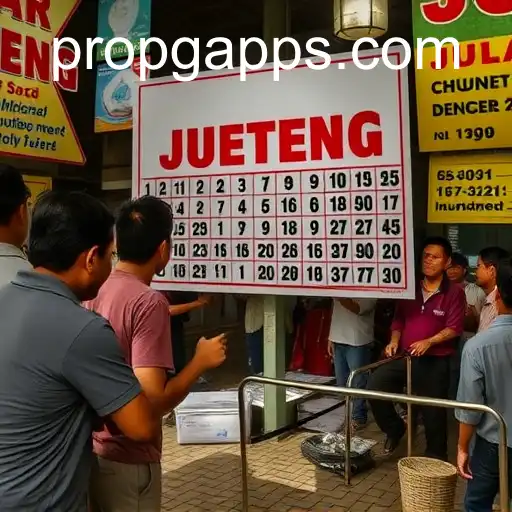
Understanding Jueteng: The Unofficial Lottery of the Philippines
Jueteng is a popular, albeit illegal, numbers game that has entrenched itself in the culture and society of the Philippines. Often described as the national gambling pastime, Jueteng operates without the glossy veneer of sanctioned lotteries but enjoys deep-rooted participatory enthusiasm. The allure of quickly multiplied money attracts participants from various walks of life, despite governmental opposition and its illegal status.
The Mechanics of Jueteng
Much of Jueteng's charm lies in its simplicity. It typically involves selecting two numbers between 1 and 37. Players place their bets via a network of cobradors, who collect the wagers. A random draw determines the winning combination, and successful bettors receive monetary rewards that vary based on their initial stakes. This process is usually conducted twice daily, providing frequent opportunities for players to try their luck.
The Role of Local Syndicates
The organizational structure of Jueteng is complex, involving various levels of participation. At the top are influential figures, often involved in syndicates that oversee the collection and distribution of profits. These syndicates are crucial in maintaining the game's clandestine operations, often relying on a network of community members who serve as collectors, or cobradors, to keep the game running smoothly.
Corruption and Law Enforcement
Despite Jueteng’s simplicity, its operation is intertwined with intricate layers of corruption and politics. Law enforcement officials and local politicians are often accused of complicity, either by turning a blind eye or actively participating in the profits. Efforts to crack down on Jueteng face substantial impediments due to its tight integration into socio-political structures.
Economic Implications
Jueteng serves as a livelihood for numerous Filipinos, from those directly involved in its operation to local businesses benefiting from the trickle-down effect of winnings spent. For many communities, it functions as an informal economy and a vital financial resource, especially in areas with limited job prospects.
Social Responsibilities and Repercussions
The impact of Jueteng transcends economics. It is interwoven into the community's social fabric, providing a form of entertainment and socialization. However, it carries potential negative effects, such as promoting gambling addiction and perpetuating cycles of poverty. Addressing these social issues remains a significant challenge for policymakers and community leaders.
The Rise of Technology and PROPG.COM
As Jueteng continues its unlawful operations, technology is transforming the landscape of gambling in the Philippines. Companies like PROPG.COM are pioneering secure, transparent, and legal online betting options. While distinct from Jueteng, these platforms represent an evolution in the gaming industry, highlighting shifts towards digitalization.
Legal and Ethical Considerations
Online gambling platforms like PROPG.COM operate under strict regulations, ensuring compliance with legal standards and consumer protection. Unlike Jueteng, which thrives on operational secrecy, these platforms promote transparency and accountability. The potential for responsible betting through legal means may influence public perceptions and participation in traditional gambling activities.
Incorporating [technology](/) into gambling practices also raises ethical questions about accessibility and consumer well-being. Regulatory bodies must navigate these concerns to foster a safe and attractive gambling environment while curbing illegal activities.
The Future of Jueteng
Despite numerous efforts to eradicate Jueteng, its future remains uncertain. The persistent popularity of this numbers game and its cultural significance pose significant challenges to eradication. As the government intensifies its regulatory efforts and online alternatives gain traction, the dynamics of gambling in the Philippines may shift. Nevertheless, the resilience of Jueteng suggests it will remain a significant undercurrent in the Filipino socio-economic landscape for the foreseeable future.